

Are you thinking of selling your Cincinnati home? Before a buyer makes an offer, they make a feeling. Here’s how to make sure that feeling is love at first sight.
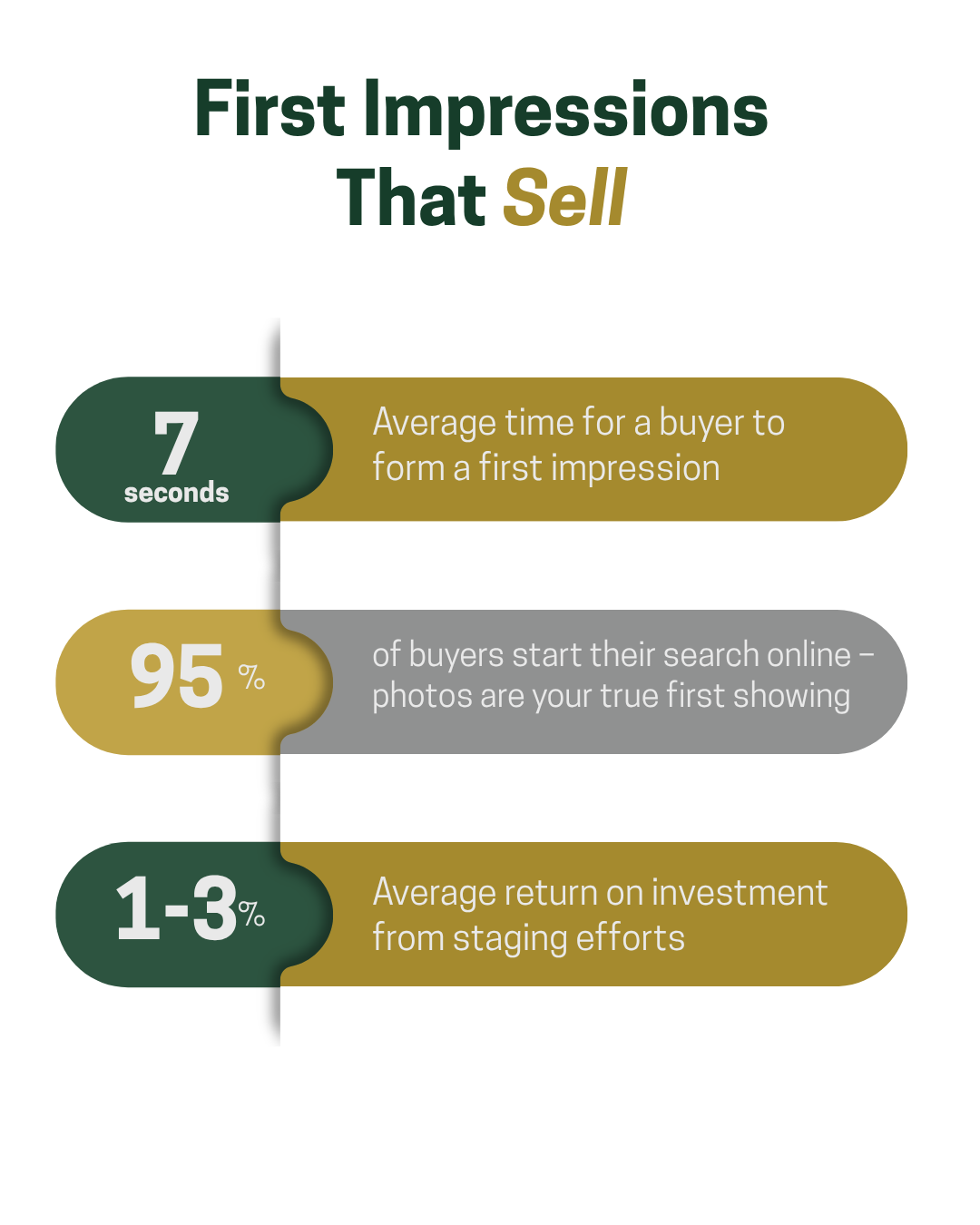
You’ve accepted the listing appointment, set a price, and scheduled a showing. Now comes the part that most sellers underestimate: the first 10 seconds it takes for a buyer to form their first impression — and the hours of preparation required to make those 10 seconds count.
In real estate, we call it “showability” — and it’s one of the single biggest factors separating homes that sell fast and at asking price from those that sit and stagnate. The good news? With the right preparation, nearly every home can show beautifully. You don’t need a renovation budget. You need a plan.
Whether you’re selling in Cincinnati’s Hyde Park, a suburb like Mason or West Chester, or anywhere across Southwest Ohio, this guide will walk you through exactly what to do before every showing.
#1. Start Outside: Curb Appeal Sets the Tone
The showing starts the moment a buyer pulls up to the curb — not when they walk through the front door. A buyer who’s underwhelmed before they even get inside will tour the home through a lens of doubt. A buyer who’s charmed from the street walks in already hoping to fall in love.
Lawn & Landscaping
Mow, edge, and trim everything. Pull visible weeds from flower beds and replace dead mulch with a fresh, dark layer — it makes landscaping look intentional and cared-for. Seasonal flowers near the entry go a long way. In the fall and winter months, keep leaves cleared and walkways free of ice or debris.
The Front Door
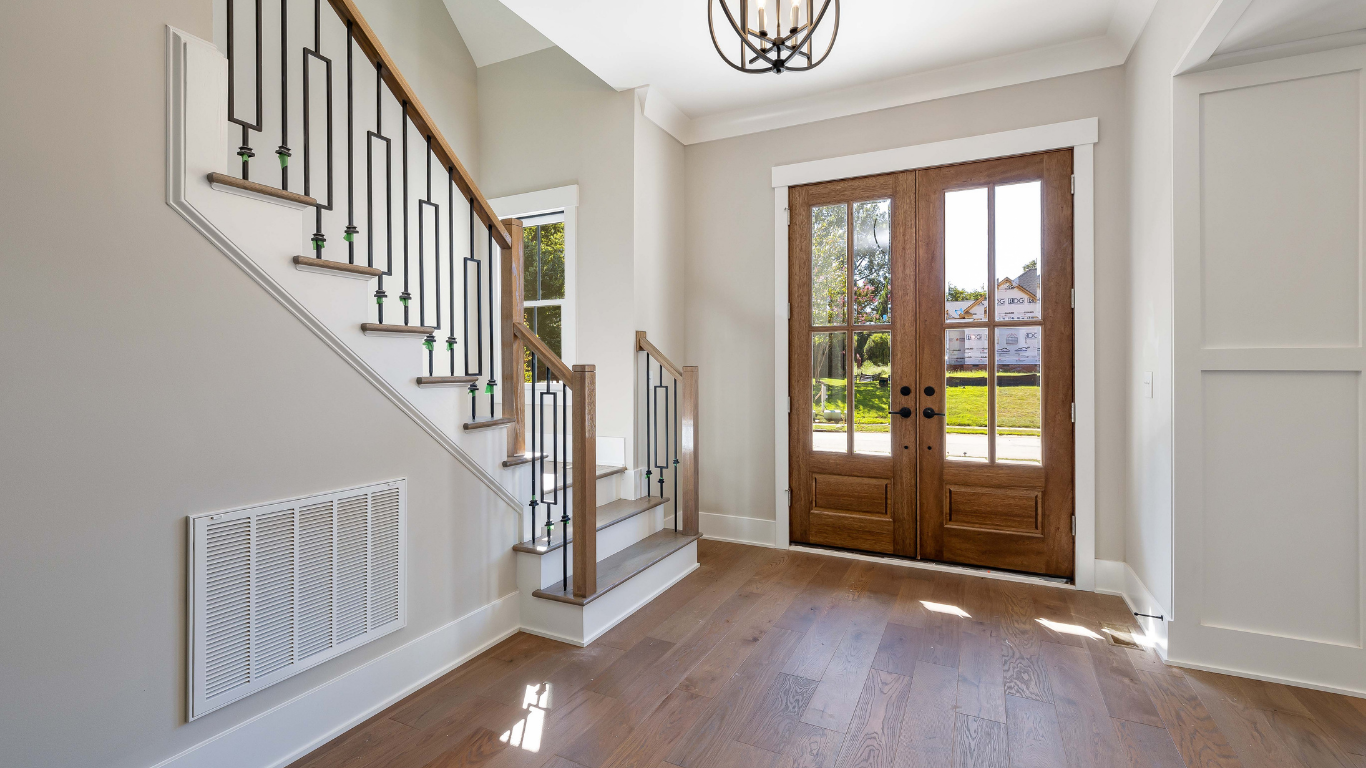
Your front door is the focal point of your home’s exterior. If the paint is faded or chipped, a fresh coat is one of the highest-ROI upgrades you can make before listing. Choose a color that complements the home’s exterior — a bold navy, deep red, or classic black on a neutral home can be magnetic. Polish or replace hardware. Add a clean, new doormat.
Driveway & Walkways
Blow or sweep away debris. If you have oil stains on the driveway, a degreaser and a good rinse can minimize them significantly. Make sure the path from the car to the front door is clear and welcoming.
Tip from The Schafers Group:
Drive past your own home as if you’re a buyer seeing it for the first time. Sit in your car for a moment and notice what stands out — positively and negatively. What you see is exactly what your buyer will see.
#2. Declutter Like You Already Live Somewhere Else
This is the hardest step for most sellers because it’s personal. But here’s the shift in mindset that makes it easier: you’re no longer decorating your home, you’re staging a product for sale. The goal is to help buyers picture themselves living there — and that’s nearly impossible when every shelf, countertop, and closet tells the story of the current owner.
The Three-Box Method
Go room by room with three destinations in mind: keep and display, pack and store, and donate or discard. Items that are purely personal — family photos, collections, religious items, children’s artwork on the fridge — should be packed away. Buyers aren’t meant to feel like guests in someone else’s home; they’re meant to feel at home.
Closets and Storage Spaces
Buyers will open closets. This is not optional in their process. Overstuffed closets signal a lack of storage; sparse, organized closets signal abundance. Remove at least one-third of what’s hanging in every closet. Store off-season items in a storage unit or a family member’s garage if needed.
#3. Clean Beyond What You Think “Clean” Means
A home should be cleaned to a standard most of us don’t maintain in daily life. Not because buyers are judgmental — but because a spotless home signals that the property has been cared for. Buyers are making the largest purchase of their lives. Grime creates doubt; sparkle creates confidence.
Focus on These High-Impact Areas
Kitchen: Degrease the stovetop and oven. Wipe down cabinet faces and hardware. Clean the inside of the microwave. Make the sink shine. Buyers linger here longer than anywhere else.
Bathrooms: Scrub grout, descale faucets and showerheads, and make mirrors streak-free. Toilets should be spotless. Fold towels hotel-style. A fresh bar of soap and a single candle can elevate the entire feel of a bathroom.
Windows: Clean windows let in more light and make every room look better. Clean them inside and out if possible.
Floors: Vacuum all carpets — including edges and corners. Mop hard floors. If carpet is showing significant wear or staining, talk to your agent about whether a professional clean or replacement makes financial sense before listing.
PRO TIP
Consider hiring a professional cleaning service for the initial deep clean before your first showing. The investment is typically $150–$350 and the result is a baseline level of cleanliness you can maintain more easily throughout the listing period.

#4. Light It Up – Literally
Lighting is one of the most underrated elements of a great showing. Dark rooms feel small and unwelcoming. Well-lit rooms feel larger, warmer, and more valuable. You want buyers to say “this place is so bright and open” — and the right lighting strategy makes that happen regardless of your home’s natural light situation.
Before Every Showing
Turn on every light in the house — every lamp, every overhead fixture, every under-cabinet light in the kitchen. Open all window blinds and curtains to their fullest. Pull back sheers. On sunny days, this alone can transform how a home photographs and shows in person.
Upgrade Your Bulbs
Mismatched bulbs — some warm, some cool, some dim — make a home feel inconsistent and unfinished. Swap out any dead or low-wattage bulbs before showings. Stick to warm white (2700K–3000K) throughout living areas for a cozy, inviting glow.
Exterior Lighting Matters Too
Evening showings happen. Make sure porch lights, pathway lights, and garage lights are all functional and bright. A well-lit exterior at dusk can be strikingly beautiful and memorable.
#5. Don’t Forget the Nose: Scent Matters More Than You Think
Smell is the sense most directly tied to emotion and memory — and buyers notice it immediately, often subconsciously. Homes that smell like pets, cooking, or mustiness trigger doubt before a buyer can even identify why they feel uncomfortable.
Neutralize First, Then Enhance
Start by removing the source of any odors: clean pet areas thoroughly, take out trash, launder pet bedding, and air out the home as much as possible. Don’t try to mask a strong odor — it backfires. Layering a floral spray over a pet smell creates something worse than either alone.
Once the slate is neutral, you can enhance. The safest and most universally appealing scent approach is subtle. A lightly scented candle (vanilla, linen, or fresh citrus) in the living room or kitchen, or a reed diffuser in a bathroom, can create a pleasant and welcoming atmosphere without overwhelming anyone.
WHAT TO AVOID
Overpowering air fresheners, scented plug-ins running in every room, or anything that smells artificial or overly floral. If a buyer can smell your air freshener from the front door, it’s too strong — and it makes them wonder what you’re hiding.
A Note on Temperature
This is Southwest Ohio — summers are humid and winters are cold. Make sure your home is at a comfortable temperature before buyers arrive. A sweltering or freezing house is a distraction that no amount of great staging can fix.
#6. The Bigger Picture: Showability Throughout Your Listing
Preparing for a single showing is one thing. Maintaining that level of presentation for days or weeks on the market is another — and it matters just as much. Every showing is an opportunity. You never know which one leads to your buyer.
Work with your agent to understand your showing schedule and build routines that let you maintain a show-ready home without burning out. This might mean designating specific “clutter zones” out of sight for daily living, or using a simplified version of your checklist for back-to-back showings.
The sellers who stay disciplined about showability throughout their listing period consistently outperform those who only go all-out for the first few. Real estate markets move quickly — your perfect buyer might show up on day one, or day twenty-three.